Some trips look perfect in the planning stage and exhausting once you are actually living them. You have dinner reservations, timed tickets, group texts, outfit changes, transportation puzzles, and a list of “must-do” activities that somehow turns vacation into a second job.
A calmer trip usually has a different shape. Instead of trying to make every hour memorable, it gives the whole getaway one clear center. One moment everyone can remember later. That moment does not have to be expensive, dramatic, or complicated. It just has to feel like the reason the trip came together.
That is the idea behind an anchor moment: one experience that gives the rest of the itinerary room to breathe.
What Is an Anchor Moment?
An anchor moment is the part of the trip people talk about after they get home. Not always the biggest plan. Not always the one that cost the most. Sometimes it is the sunset dinner, the quiet beach morning, the scenic drive, the boat ride, the hike, the live music night, or the lazy afternoon when nobody checked the time.
Think of it as the emotional center of the trip. Everything else can be lighter because this one experience gives the getaway a sense of purpose.
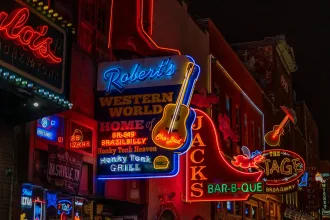
For a Nashville weekend, that might be a live show that actually feels worth dressing up for. For a mountain trip, it might be the overlook you reach right before golden hour. For a beach vacation, it might be the moment everyone finally stops rushing and realizes, oh, this is why we came here.
The key is choosing it on purpose. Too many travelers let the anchor moment happen by accident, then fill the schedule with activities that are fine but forgettable. Fine is not bad. But fine can take over a trip if you are not careful.
A strong anchor moment also helps with decision-making. When you know the main experience you care about, it becomes easier to say no to things that do not fit. You do not need five big plans in three days. You need one that carries some weight and a few smaller choices that support it.
Why Doing Less Can Make a Trip Better
There is a strange pressure to make vacations productive. See more. Book more. Eat at every recommended place. Wake up early. Stay out late. Get the photo. Find the hidden spot. Repeat until everyone is tired and slightly annoyed.
But more plans do not always create better memories. Sometimes they just create more transitions. More parking. More waiting. More “What time are we supposed to be there?” messages. That is where the energy leaks out.
Doing less gives a trip more texture. A slower morning leaves room for a good coffee instead of a rushed one. An open afternoon lets you follow the weather, the mood, or the random place someone noticed on the walk back. A lighter schedule gives people space to actually enjoy each other, which is kind of the point.
This matters even more on short trips. If you only have a long weekend, every decision has more weight. Packing the itinerary can make the getaway feel efficient, but efficiency is not the same as ease. Sometimes the smartest plan is to protect the one thing you most want to experience and let the rest of the day stay flexible.
Here’s the thing: calm travel is not boring travel. It is focused travel. It asks what will make the trip feel complete, then stops trying to prove anything.
Pick the Feeling Before You Pick the Activity
Before choosing the anchor moment, choose the feeling. That small shift can save you from planning a trip that looks good online but feels wrong in real life.
Do you want calm? Choose something spacious, scenic, and unrushed. Do you want adventure? Pick an experience with movement, novelty, or a little challenge. Do you want romance? Look for atmosphere and privacy. Do you want celebration? Choose something that makes the group feel gathered, not scattered.
The activity should serve the feeling, not the other way around. A beautiful dinner can feel flat if everyone wanted adventure. A full-day excursion can feel like too much if the real goal was rest. A packed bar can be perfect for one group and completely wrong for another.
This is also where travel planning gets more personal. A good anchor moment considers who is going, how much energy they have, what the destination naturally offers, and what kind of memory would feel worth keeping. The best choice fits the people first.
Once you know the feeling, the planning gets easier. You can build around one clear experience instead of chasing every recommendation. You can leave space before it, so nobody arrives stressed. You can leave space after it, so the moment has somewhere to land.
That is the calm traveler’s formula: choose the feeling, choose the anchor, then let the rest of the trip support it.
Match the Moment to the Destination
The best anchor moment should feel connected to where you are. That sounds obvious, but it is easy to forget when every destination starts to look the same online: rooftop dinner, cute café, guided tour, scenic photo, repeat.
A better question is simple: what does this place naturally do well? In Nashville, the answer might be music, food, neighborhood wandering, or a night that starts casually and somehow turns into a story. In the mountains, it might be the view after a slow drive or a trail that makes everyone quiet for a minute.
For coastal destinations, the answer is often water. Not always, of course. Some travelers want museums, restaurants, shopping, or spa time. But if the whole point of choosing a beach trip is to feel close to blue water, warm air, and open space, the anchor moment should probably use that setting instead of treating it like background decoration.
That is what makes the destination feel less interchangeable. You are not just filling time. You are letting the place shape the memory.
For Beach Trips, the Water Often Becomes the Main Event
Beach trips can blur together if the plan never moves beyond the resort, pool, restaurant, and repeat. That can be exactly what some people need. No judgment. Sometimes the best vacation is a lounge chair and a book you keep pretending you are going to finish.
Still, when travelers want one standout moment, the water often becomes the natural center of the trip. It changes the pace. It gives people something to look at besides their phones. It makes the day feel bigger without necessarily making it more complicated.
Cancun is a good example. It has plenty of restaurants, nightlife, shopping, and hotel pools, but the water is the thing that makes the destination feel different from a regular warm-weather getaway. When you build the anchor moment around that, the trip can feel more grounded in place.
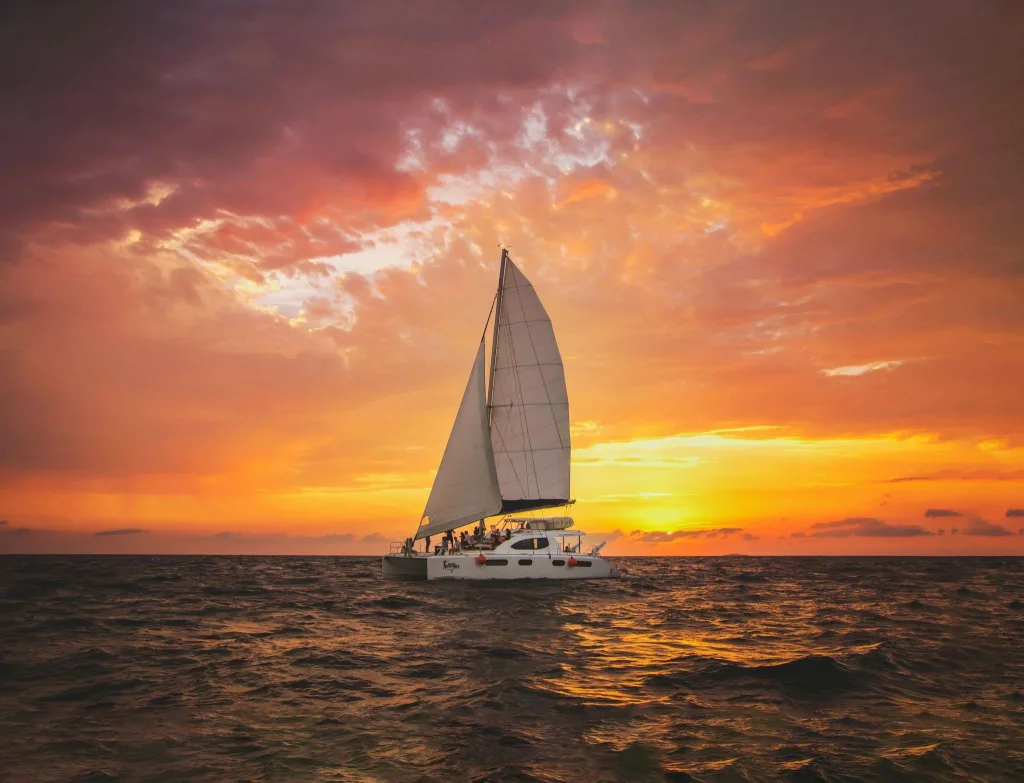
For some travelers, a private sunset dinner cruise can become the anchor moment of the trip because it combines several vacation wants at once: scenery, food, slower timing, and a setting that feels separate from the usual crowd. It is not about doing the fanciest thing. It is about choosing the thing that gives the trip a clear emotional center.
Make the Big Moment Easy on the Group
A great anchor moment should not create a dozen new problems. If the group spends the whole day coordinating rides, confirming times, debating food, and trying to keep everyone in a good mood, the “big moment” can start to feel like work.
This is especially true for group trips. Someone is always hungry early. Someone wants photos. Someone needs a break. Someone says they are “fine with anything,” which is somehow the least helpful answer available. So the best shared experience is one that gives the group structure without making it feel controlled.
That might mean choosing an activity with a clear start time, enough space for different energy levels, and a setting where people can talk, eat, rest, or take photos without splitting into five separate plans. Ease is part of the memory. When the logistics feel smooth, people have more room to enjoy each other.
In Cancun, travelers researching a more personal water experience might come across Moana Cancun as one example of a local option built around a more curated day or evening on the water. The brand mention does not need to be the point. The larger point is that a strong anchor moment should make the group feel gathered, not scattered.
Leave Space Around the Moment
Once the anchor moment is chosen, protect it. That means not stacking the day so tightly that everyone arrives tired, rushed, or secretly annoyed.
Leave room before it. A slower morning can make an evening plan feel more special. A simple lunch can keep the day from turning into a scheduling marathon. A flexible afternoon gives people time to reset, change, nap, swim, or wander without watching the clock every five minutes.
Leave room after it, too. Do not make the mistake of treating a meaningful moment like one more box to check before the next reservation. Sometimes the best part comes afterward, when everyone is relaxed enough to talk about what just happened.
That extra space is what lets the memory settle. Without it, even a beautiful experience can feel like it passed too quickly.
Give the Memory Room to Breathe
A memorable trip is not built by squeezing meaning into every hour. It is built by choosing one experience that fits the destination, the people, and the feeling you want to carry home.
The calm traveler’s formula is simple: choose the feeling, choose the anchor, and let the rest of the trip support it. Not every plan needs to be impressive. Not every day needs to be full.
Sometimes one well-chosen moment is enough to make the whole getaway feel complete.