
Nashville’s rapid economic expansion over the past decade has reshaped the city’s skyline, neighborhoods, and commercial corridors. As new residential communities, mixed-use hubs, and corporate campuses emerge across Middle Tennessee, the demand on the regional transportation grid increases exponentially. Managing this growth requires aligning modern building projects directly with forward-looking infrastructure planning.
Rather than treating real estate expansion and traffic flow as separate challenges, urban planners and civil engineers now view them as interconnected systems. Every new construction site influences surrounding traffic patterns, transit access, and pedestrian safety.
1. Traffic Impact and Integrated Site Engineering
When a major commercial center or residential subdivision breaks ground, local roadways experience an immediate shift in vehicle volume. Without proactive infrastructure upgrades, intersection delays and corridor bottlenecks quickly degrade local mobility.
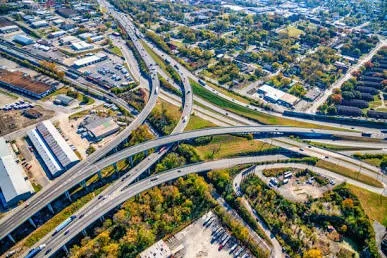
Modern urban growth relies on civil engineering strategies that mitigate these stresses before construction even begins. Partnering with experienced engineering firms to deliver comprehensive land development services ensures that traffic impact analyses, signal optimization, and roadway access points are fully integrated into initial site designs.
By designing turning lanes, dedicated transit cutouts, and smart traffic control systems early in the development phase, developers prevent regional gridlock and support long-term traffic flow.
2. Multi-Modal Transit and Walkability
Nashville’s evolving transportation vision extends beyond personal passenger vehicles. Modern developments increasingly emphasize multi-modal accessibility, blending traditional roadway design with public transit links and pedestrian infrastructure.
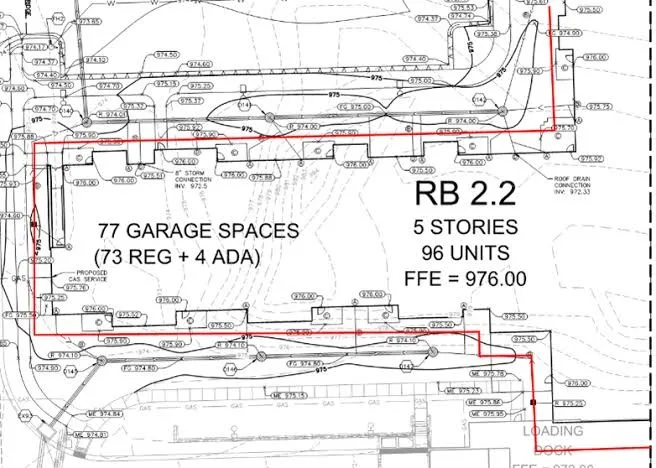
Integrated site engineering maps out vehicular flow, parking allocation, and pedestrian pathways. Source: Take-Off Professionals | Civil Engineering Consultants
Key Elements of Multi-Modal Site Integration:
- Protected Pedestrian Pathways: Connecting sidewalk networks directly to main transit stops reduces reliance on short vehicle trips.
- Dedicated Micromobility Zones: Incorporating designated docking areas for scooters and bicycles keeps rights-of-way clear and safe.
- Transit-Oriented Density: Concentrating high-density residential and retail spaces along primary transit corridors maximizes bus and commuter line efficiency.
3. Structural Comparison: Reactive Upgrades vs. Master-Planned Mobility
Addressing transportation needs during early site design delivers significant advantages over retrofitting aging road networks after congestion sets in.
| Infrastructure Strategy | Reactive Roadway Adjustments | Integrated Master-Planned Mobility |
| Implementation Timing | Executed after severe congestion or safety hazards occur. | Proactive: Designed and constructed alongside initial site grading. |
| Cost Efficiency | High expense due to land acquisition and utility relocations. | Optimized: Shared construction costs and pre-allocated rights-of-way. |
| Community Impact | Prolonged lane closures and major traffic disruptions during retrofits. | Seamless: Roadway improvements open concurrently with the development. |
| Long-Term Scalability | Fixed physical constraints limit future lane or transit expansions. | Adaptable: Built with extra capacity for future smart traffic technology. |
4. Environmental and Stormwater Considerations in Transportation Design
Expanding transportation corridors involves more than laying asphalt—it requires managing environmental impacts. Impervious surfaces created by expanded roadways and parking structures increase stormwater runoff, putting pressure on local drainage systems.
Sustainable developments utilize low-impact development (LID) techniques to protect regional waterways. Permeable pavements, bioswales along road shoulders, and integrated retention basins capture and filter runoff on-site. This dual focus on structural transportation design and environmental stewardship safeguards Nashville’s natural watersheds while building resilient infrastructure.
Conclusion: Building a Connected Future
As Nashville continues its upward trajectory, the relationship between new construction and Nashville’s Transportation Networks will dictate the city’s quality of life. By prioritizing smart site engineering, multi-modal access, and proactive infrastructure design, developers and municipal leaders can ensure that Middle Tennessee remains connected, accessible, and economically vibrant for decades to come.