
Every tourist spot slows down eventually, including Nashville. Watching how home prices, inventory, and buyer activity shift when peak season ends reveals the true state of the housing market. Stripping away the temporary buzz from visitors gives a much clearer picture of local real estate health and long-term value.
The Music Stops, But the Market Doesn’t
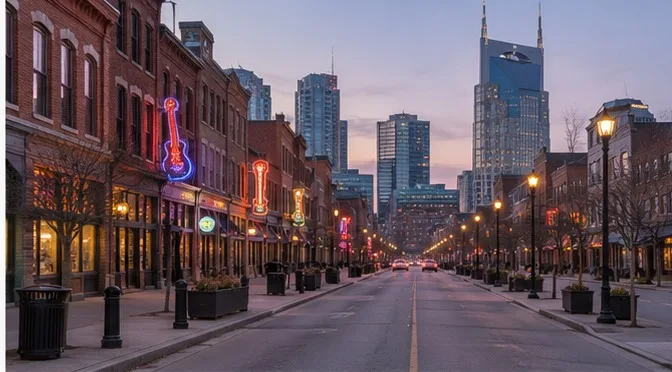
Broadway empties out around late January. The pedal taverns disappear from the sidewalks, hotel rates drop by half, and for a few weeks Nashville looks almost like a normal Southern city instead of a stage set for bachelorette parties. Anyone who thinks the housing market takes the same break is wrong.
Tourism-driven cities like Nashville manage two distinct tracks simultaneously. First is the visitor cycle, peaking in spring and autumn before dipping during winter cold and summer heat. Second is the housing market, which follows school schedules, interest rates, and local housing supply. While these markets frequently intersect, they rarely align completely. Ask experienced real estate agents working near Music Row about January, and they will tell you the real estate side stays surprisingly active long after holiday crowds vanish. She’ll call it honest.
Why Off-Season Isn’t the Same as Dead Season
There’s a difference worth naming, because the two get confused constantly. A dead season means nothing is happening. An off-season means the noise clears out, and what’s left is the real activity, the stuff that was getting drowned out by tourists, weekend investors, and short-term rental hosts bidding up condos near the honky-tonks.
Winter in Nashville isn’t dead. It’s quieter, sure. Fewer showings, fewer bidding wars, fewer buyers flying in for a weekend to grab a property sight unseen. But the people out there looking in January tend to be serious. They’ve done the math. They know their budget, and they’re not walking away because a neighbor’s short-term rental guests were loud on a Tuesday night back in July.
Rental Conversions Pick Up the Slack
Seasonal drops hit short-term rental owners hard. From November through February, low bookings prompt many hosts to convert their properties into mid-term or annual rentals to maintain steady income, directly shifting local housing availability. That shift matters more than it sounds like it should. It quietly increases the supply of long-term rentals right when demand from relocating professionals and traveling nurses tends to rise, since a lot of corporate moves happen in the first quarter.
Some hosts go further and list the unit for sale outright, once they’ve run the numbers and decided the math doesn’t work for another peak season. Those listings often carry more price flexibility than owner-occupied homes, because the seller is thinking in terms of annual yield, not sentimental attachment to a kitchen renovation.
Local Buyers Get Their Window
Here’s the part that rarely gets said out loud: winter is often the best time for a local family to buy in a tourism-heavy neighborhood. Not because prices crash. They usually don’t, not in a city with steady population growth. But competition drops, and that changes the whole negotiation. A seller who’s been carrying two mortgage payments since September starts returning calls faster. Inspection requests that would have been waved off in June get taken seriously in January.
Pricing Behaves Differently Than People Expect
The instinct is to assume prices fall hard in the off-season and bounce back in spring. Sometimes that happens. More often, what actually shifts is days on market and concessions, not the sticker price itself. Sellers in tourism-driven housing markets tend to resist cutting the list price because spring buyers are coming, and nobody wants a stale listing sitting at a discounted number once the calendar turns. So instead they offer closing cost credits, rate buydowns, or they simply wait it out.
This is where local knowledge beats a spreadsheet. National housing data smooths everything into monthly averages and misses the texture of a single neighborhood, where three blocks can be the difference between a tourist corridor and a quiet residential street that never sees a pedal tavern at all.
What Sellers Do When the Crowds Thin Out
Smart sellers in these markets stage differently once the tourists clear out. A listing photographed in October with string lights and a full patio doesn’t do much good in February. Sellers who understand their audience start marketing toward the people actually house hunting during the off-season: relocating families, retirees downsizing, buyers who care more about school zones and grocery store distance than walkability to Lower Broadway.
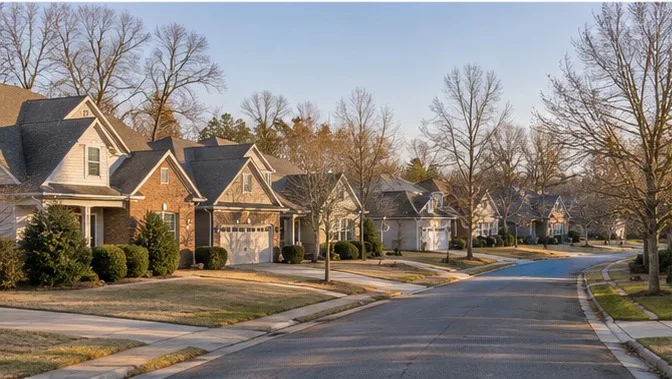
Timing a listing also turns into a strategic decision rather than an afterthought. List too early in December and a home competes against nothing but holiday distraction. List in late January, right as resolutions turn into actual house hunting, and that same property gets real traffic without the chaos of spring’s flooded inventory.
The Investor’s Calendar Looks Nothing Like the Tourist’s
Investors who understand seasonality treat the off-season as buying season, not survival season. Cap rates look better when a seller is motivated, financing terms get more negotiable, and there’s simply less competition from out-of-state buyers chasing the same handful of turnkey short-term rental properties. A property picked up in February often gets several months to renovate and furnish before the market wakes back up in April, which matters a lot if the plan is to have it booking guests by peak season.
Coastal Markets Run the Same Playbook
Nashville isn’t unique here. Beach towns deal with an even sharper version of the same rhythm, since summer tourism there runs hotter and the winter drop-off cuts deeper. Myrtle Beach is a textbook case. Summer crowds push occupancy and rental income to their yearly peak, then the boardwalk quiets down considerably by November. Buyers who watch that market closely know the fall and winter months tend to bring a wider selection of Myrtle Beach homes for sale, often with sellers more willing to negotiate on price or closing timeline than they would be during the June rush.
The pattern holds across nearly every tourism economy with a housing market attached to it. Demand for real estate never fully disappears. It just changes who’s asking and what they’re asking for.
What This Means If You’re Buying or Selling in the Off-Season
None of this is a secret formula. It’s mostly patience, and paying attention to who’s actually active at a given time of year instead of assuming the whole market runs on the same clock as the tourism board. Buyers willing to shop in January get less competition and more room to negotiate. Sellers who price realistically and market toward the right audience still move properties even when Broadway is quiet. Investors who time purchases around the calendar, not around FOMO, tend to come out ahead over a few cycles.