
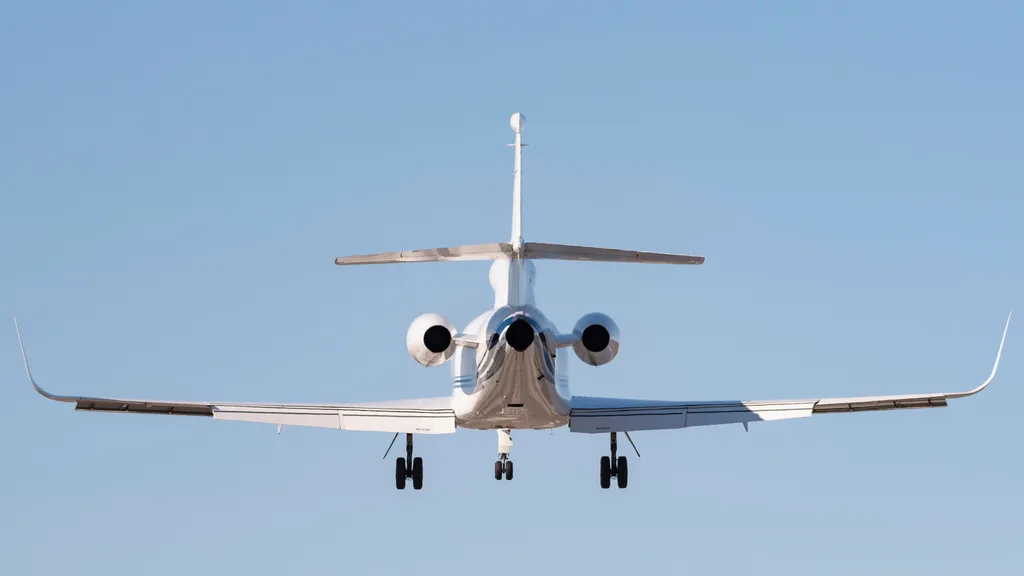
There are far more places you can land a plane than places an airline will take you. In the United States alone, the Federal Aviation Administration counts 5,179 public-use airports. Roughly 502 of them are used by air carriers running scheduled passenger service. The other 4,600-odd are open to the public, paved in most cases, staffed in many – and invisible on every flight booking site you have ever used.
That gap quietly shapes a lot of trips. It is the reason a three-hour journey turns into a nine-hour one, why the drive from the airport is longer than the flight, and why some genuinely good destinations stay stubbornly awkward to reach.
Scheduled service covers a narrow slice of the map
The FAA’s National Plan of Integrated Airport Systems for 2025–2029 includes 3,287 existing public-use airports considered significant to the national system. Widen the lens to every landing facility the FAA counts – private strips, heliports, seaplane bases included – and the number reaches 20,031.
Airlines serve a fraction of that because scheduled service follows demand. A route has to fill seats reliably enough to justify an aircraft, a crew, a gate and a slot, week after week, in February as well as July. Small communities that cannot clear that bar often keep minimal service only through the federal Essential Air Service programme, which subsidises airlines to fly routes that would otherwise be unprofitable.
The result is a map where the airports exist but the flights do not.
What thin service looks like on the ground
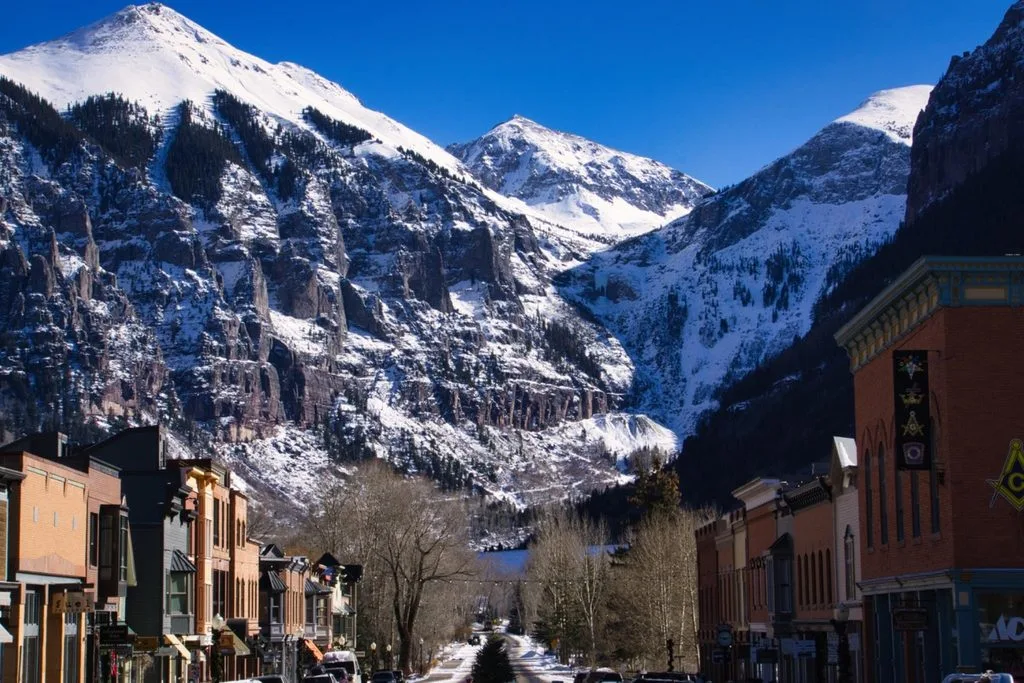
Telluride, Colorado is a clean example. Telluride Regional Airport sits at 9,078 feet, making it the highest airfield in the United States with scheduled passenger flights. One carrier serves it – Denver Air Connection – with daily nonstops to Denver and Phoenix, flown on Dornier 328JETs, one of the few regional jets that handles that elevation comfortably.
Two destinations. One airline. Miss the flight or travel from anywhere those two hubs don’t connect well, and the practical alternative becomes Montrose Regional, about 65 miles away, plus the drive.
The same pattern repeats globally: island communities, national park gateways, ski valleys, coastal towns, safari strips. The airfield is there. The schedule is not.
The workarounds most of us default to
Three usually, and each has a cost that never appears in the fare comparison.
Fly big, then drive. Land at the nearest major airport, hire a car, add two to four hours. Cheapest on paper, and it works – until the drive is a mountain pass in winter, or the hire car desk closes before your flight lands.
Build the trip around the one daily flight. Doable, but it hands your itinerary to someone else’s schedule, and a single delay has no recovery option behind it.
Arrive a day early. The quiet standard for weddings, remote lodges and anything with a fixed start time. It costs a hotel night, a day of annual leave, and a day of the trip itself.
Where chartering changes the arithmetic
Worth being straight about this: for one or two travellers on a well-served route, chartering a private flight is a luxury purchase and nothing else. The maths does not work and pretending otherwise helps nobody.
It shifts in narrower situations. A group of six or eight travelling together changes the per-person figure substantially, because the aircraft is priced as a whole rather than by the seat. A destination with no scheduled service at all removes the comparison entirely. And an itinerary where the realistic alternative is two connections plus an overnight starts to look different once the hotel night and the lost day go into the column.
The structural difference is the airport list. Because charter operators work from the full public-use network rather than the airline route map, the arrival point can be the small field nearest to where you are actually going. Companies like Trilogy Aviation Group operate as brokers rather than airlines, sourcing aircraft from a global network of operators for each individual trip, which is what makes the destination list so much wider than a timetable.
What to check before booking a charter flight
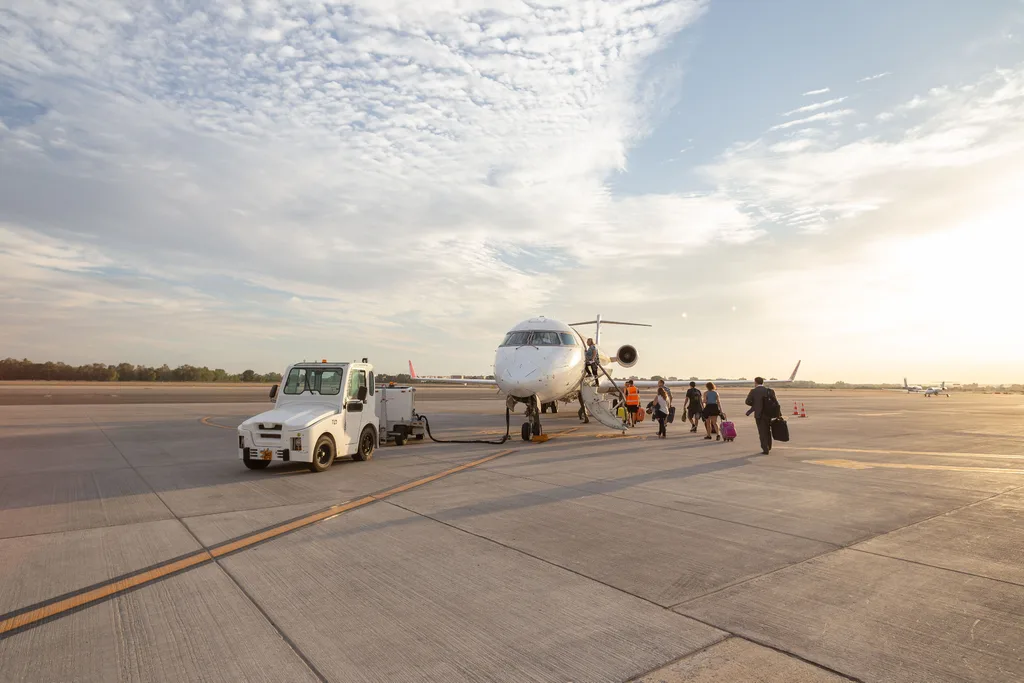
- Aircraft and runway have to match. Short runways and high-elevation fields rule out certain aircraft entirely. Telluride is the obvious case, but plenty of island and mountain strips have the same constraint.
- Ask who audits the operator. In the US, charter flights are flown under FAA Part 135 rules, and independent auditors such as ARGUS and Wyvern rate operators above that baseline. A reputable broker will name the audit status without being pushed.
- Ask where the aircraft is based. If it has to fly empty to reach you, that repositioning time can appear in the quote.
- Ask about empty legs. When an aircraft is repositioning anyway, that flight is often sold at a discount. The trade is total inflexibility: fixed route, fixed date, usually short notice.
- Get the whole quote, not the hourly rate. In the US, domestic charter carries a 7.5% federal excise tax plus a per-segment fee, and landing, handling and overnight crew costs sit on top.
A realistic way to think about it
Most trips do not need any of this. The connect-and-drive approach is fine, and often the better travel experience anyway.
The useful thing is knowing the airport map is far bigger than the airline map. When a place looks unreachable, it is usually the schedule that is missing rather than the runway – and that reframes the question from “can I get there” to “what is the most sensible way in.”
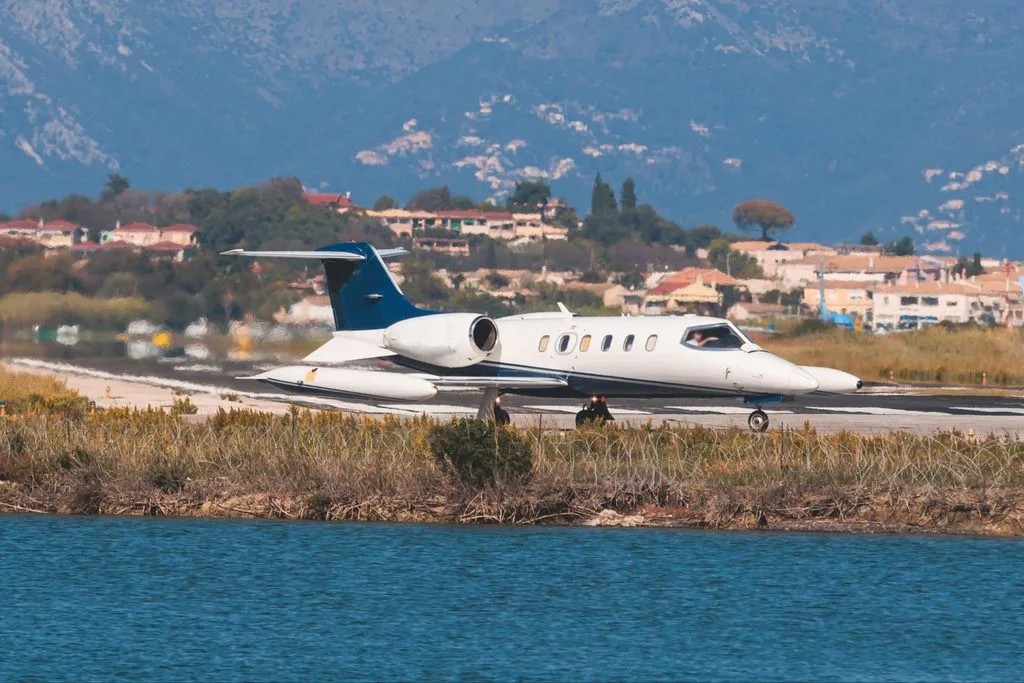
Sometimes that is a hire car and a scenic three hours. Occasionally, for the right group and the right destination, it is the small airfield nobody flies to.