
Pull into either city with a guitar case in the back seat and somebody will bring up rent before you find a parking spot. That’s just how it goes now.
Nashville sits in the middle of Tennessee. Hamilton hugs the western end of Lake Ontario, about an hour from Toronto when traffic cooperates, which is almost never. On paper the two places don’t share much. One has called itself Music City for generations.
The other spent most of the last century known for steel mills and smokestacks. Yet both have leaned hard into music as part of their identity, and both have watched home prices climb in ways that left a lot of longtime residents shaking their heads.
Why Music Keeps Pulling People In

Music towns attract a particular kind of newcomer. Songwriters show up. So do sound techs, lighting crews, booking agents and folks who simply want to live somewhere with live music on a Tuesday night. They arrive for the scene, they stay because they found their people, and sooner or later they start wanting a place with a porch and a spare room for the drum kit.
Nashville’s draw built up slowly over many decades, and the industry there carries serious money behind it. Anyone who has wandered into a shop like Grimey’s in Nashville knows the city takes its records seriously. Hamilton’s music story feels younger and a little rougher around the edges. The city made music part of its economic planning, small venues kept their doors open, and artists who couldn’t afford the big city down the highway found cheaper rooms and a crowd that actually listened.
Neither city really planned for what came next. Few places ever do.
Nashville’s Housing Story
Nashville’s market didn’t heat up by accident. Jobs, newcomers and a steady stream of buyers all pushed in the same direction, and the city has been playing catch-up ever since.
Growth That Never Really Slowed Down
For years, Nashville sat near the top of nearly every list of places people wanted to move. Health care, finance and tech jobs followed the music crowd, and so did households leaving pricier coastal metros with equity in their pockets. When that many buyers chase a limited number of homes, prices only move one way for a while.
The ripple spread outward fast. Towns that once felt like quiet farm country turned into commuter hubs, and plenty of buyers now weigh the drive in from places covered in this Nashville suburbs guide against what the same budget buys closer in. Even the daily trip from Franklin to Nashville has become part of the math for a lot of families.
Close-In Neighborhoods Changed Overnight
The older neighborhoods near the core felt it most. Streets that used to be the affordable option for young musicians now carry price tags that would have sounded like a joke not long ago. Old cottages come down, taller and narrower homes go up, and the people who gave the area its character sometimes end up renting farther out. Anyone curious about how that shift feels on the ground can read through the East Nashville guide or take a stroll around 12 South, where the change is hard to miss.
Buyers want to know what they’re paying for, which is why so many newcomers read up on is Nashville safe before they ever schedule a showing.
Hamilton Steps Into the Spotlight
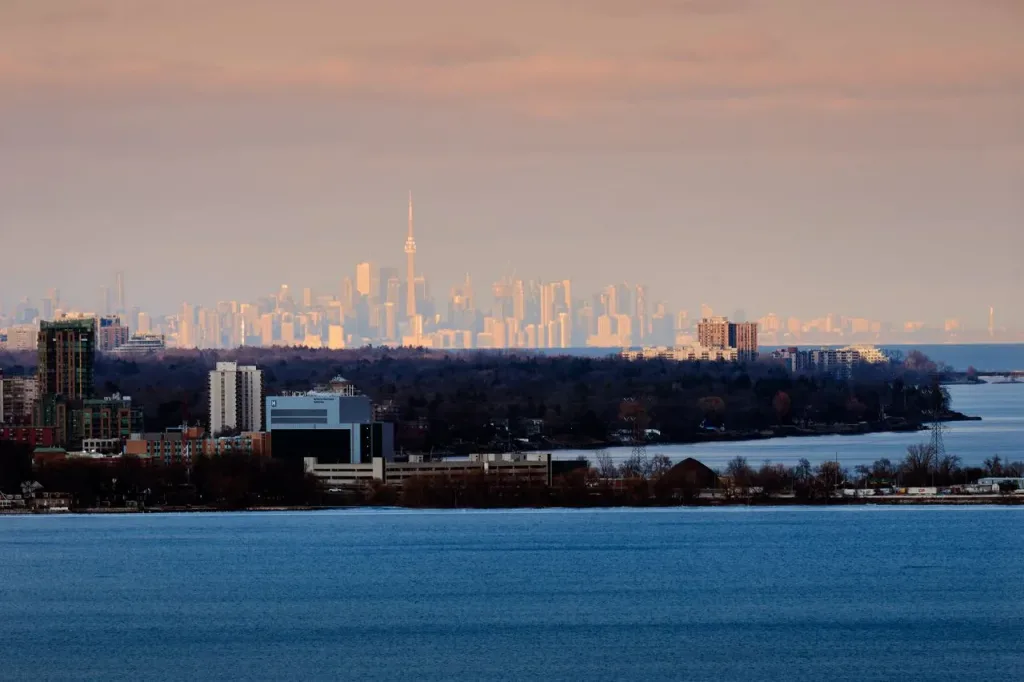
Hamilton used to be the place people drove past. Not anymore. A mix of affordability, character homes and a growing arts scene turned it into a serious contender for buyers across southern Ontario.
Life in the Shadow of a Bigger Neighbor
Hamilton’s surge has a lot to do with geography. As Toronto prices drifted out of reach for regular earners, buyers started looking down the highway and liking what they saw. Bigger lots. Brick homes with real character. A downtown that was getting its swagger back.
That wave of interest lifted prices quickly, and it changed the feel of whole neighborhoods within just a few years. Locals who grew up there sometimes joke that they couldn’t afford to buy on their own childhood street today.
Old Bones and New Buyers
Much of Hamilton’s housing stock is older, and that cuts both ways. Buyers fall for tall ceilings, original woodwork and deep backyards, then discover the wiring, the foundation or the roof needs attention. Anyone shopping there should budget for surprises.
Michael St. Jean is a real estate salesperson and the founder and team leader of Michael St. Jean Realty Inc., Brokerage. He works with buyers and sellers across Greater Hamilton and has represented more than 25 new developments in Southern Ontario. “Two houses in Hamilton can look like a fair comparison on paper and tell a different story in person. If a place has been sitting, ask why. It might be the asking price, or it might be a roof you’ll have to replace in your first year.”
Where the Two Markets Part Ways
Similar stories, different rules. That’s the short version.
Canadian buyers deal with a mortgage stress test, which means lenders check whether a household could still handle payments at a higher rate than the one being offered. Many Canadian mortgages also renew every few years rather than locking in for decades, so a rate change can show up on a family’s budget sooner. American buyers in Tennessee more often lock in a long fixed term, which feels safer until rates jump and nobody wants to sell and give up their old loan. That stuck feeling has kept inventory thin in plenty of American cities.
Taxes, insurance and closing costs also look different on each side of the border. Comparing sticker prices alone won’t tell the whole story.
What It Means for Buyers and Renters
Patience helps in both cities, even when a home you love gets three offers by Saturday. Getting preapproved before falling in love with anything is plain good sense. So is visiting a neighborhood at night, not just during a quick afternoon showing.
Renters face their own squeeze. Rents tend to follow purchase prices upward, and the cheap rooms that once made both cities so welcoming to working artists are getting harder to find. Lifestyle perks can soften the blow. Access to trails and open space matters more than people expect, and a look at these Nashville parks and green spaces shows why some buyers happily trade square footage for a short walk to the woods.
For anyone still sizing up the bigger picture, the full Nashville guide offers a decent feel for daily life beyond the housing chatter.
Will the Music Survive the Price Tags?
Here’s the uncomfortable part. Both cities sold themselves partly on music, and music depends on people who rarely earn steady paychecks. If housing keeps climbing, the very crowd that made these places exciting could get pushed to the edges or out entirely.
Some hope that smart zoning, more rental construction and support for local venues can keep the scene alive. Others suspect the market will simply do what markets do. The truth probably lands somewhere in between.
One thing seems certain. People will keep moving to both cities for the same reason they always have. They heard something they liked, and they wanted to stay close to it.