
If you live in Pinellas Park, you already know how quickly heat, sandy soil, and sudden downpours can change what your yard needs from one week to the next. A sprinkler system that looked fine in spring can start overwatering, leaking, or missing whole sections by summer. If you want greener grass without higher utility bills, it helps to understand where irrigation systems usually fail and what those problems actually cost you over time.
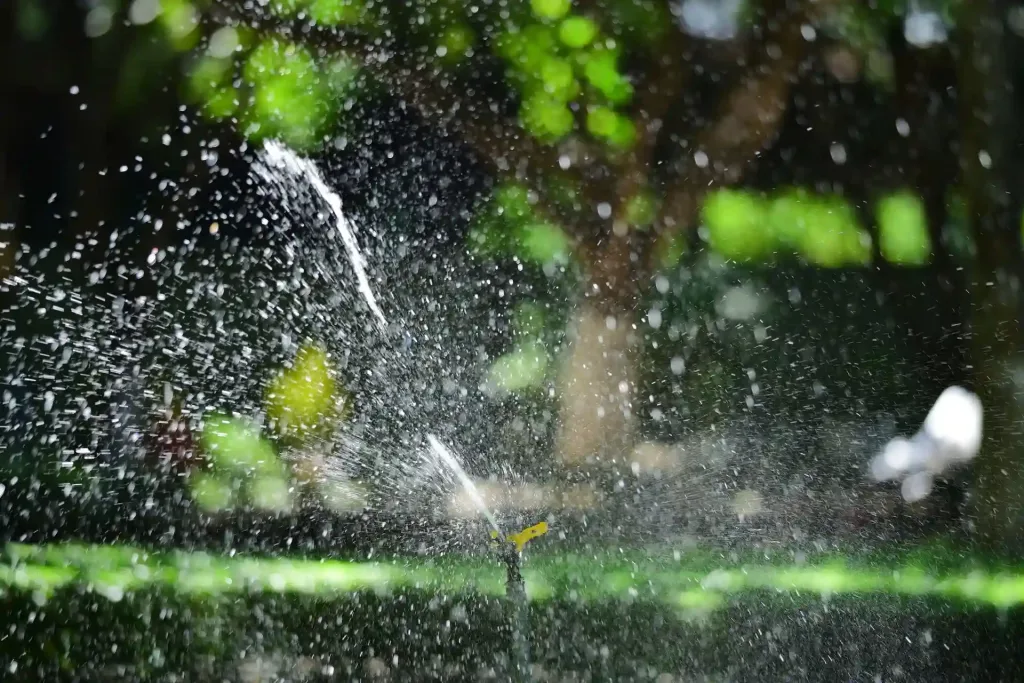
The Most Common Repair Signs You Shouldn’t Ignore
Sprinkler system issues aren’t always easy to identify. While some problems are immediately noticeable, others may appear as patches of unhealthy grass or uneven lawn growth rather than faults in the irrigation system.
Common warning signs include standing water around sprinkler heads, reduced water pressure, irregular spray patterns, and sections of the system that fail to operate properly. Dry patches between sprinklers may indicate insufficient water coverage, while a zone that continues watering after being switched off could have a faulty valve. An unexplained increase in your water bill may also suggest a hidden underground leak.
Even when the irrigation controller is working correctly, uneven watering can occur because of problems with water distribution. Differences in pressure, clogged sprinkler nozzles, or damaged seals can prevent water from reaching all areas of the lawn consistently.
When those signs show up, getting sprinkler repair in Pinellas Park can prevent turf loss and stop a minor mechanical issue from turning into a larger drainage or landscape problem.
Small Irrigation Problems Rarely Stay Small
Sprinkler problems often develop gradually, making them easy to overlook. You may notice a sprinkler head directing water onto the pavement, a watering zone taking longer than usual to activate, or certain areas of your lawn receiving too much moisture while others begin to dry out.
Because the system continues operating, these early warning signs may not seem urgent. However, minor irrigation faults can become more serious over time. Blocked nozzles can interfere with even water distribution, faulty valves may reduce pressure throughout a watering zone, and damaged underground pipes can leak for weeks before visible signs appear on the surface.
In a place like Pinellas Park, where warm weather keeps landscapes active for much of the year, those small inefficiencies build fast. You’re not only paying for lost water. You’re also paying in weakened roots, fungal pressure, runoff, and extra work trying to fix lawn damage that started with one mechanical fault.
Pinellas Park Yards Put Real Stress on Sprinkler Systems
Local conditions matter more than most homeowners realize. Pinellas Park landscapes often deal with sandy soil, high evaporation, and heavy seasonal rain. That combination creates a weird pattern: water drains quickly when it’s dry, then suddenly sits on the surface when storms hit compacted areas.
Your irrigation system has to work inside that pattern. If the schedule stays static all year, your lawn can end up stressed in both directions. Too little water leaves shallow roots and dry spots. Too much water invites disease and weak growth.
Hard water mineral buildup can also reduce sprinkler performance over time, especially at nozzles and spray heads. Add shifting soil, edging damage, mower impact, and plant growth around heads, and even a professionally installed system can drift out of calibration faster than you’d expect.
Water Waste Doesn’t Always Look Dramatic
Most people picture a broken geyser-style head when they think about irrigation waste. That happens, but the more expensive waste is usually subtle.
A misting spray head can lose water to wind and evaporation before it even hits the lawn. An incorrect nozzle can apply too much water in one section and too little in another. Tilted heads near pavement may send runoff into the street without you noticing during early morning cycles.
Then there’s scheduling waste. If your controller still runs the same summer timing after several weeks of rain, your system may be over-irrigating even when every part is technically working. That kind of waste doesn’t draw attention, yet it raises bills and makes grass more vulnerable.
Efficient irrigation depends on precipitation rate, spacing, pressure regulation, and seasonal adjustment. If one of those variables slips, efficiency drops long before the system fully breaks.
Better Repairs Focus on Performance, Not Just Replacement
A solid repair isn’t only about swapping out the broken piece. You want the system to perform correctly once the repair is done.
That means checking whether the nozzle matches the area, whether the arc is adjusted properly, and whether nearby heads are delivering consistent coverage. It also means looking at plant material and hardscape changes. A head that worked fine two years ago may now be blocked by mature shrubs or knocked out of alignment by edging work.
Good irrigation repair also considers runoff risk and cycle timing. In sandy areas, shorter cycles may work better than one long soak. In compacted patches, the opposite may be true. The point is precision. The goal isn’t simply to get water flowing again. It’s to apply water where your landscape needs it, at a rate the soil can actually absorb.
Smart Homeowners Treat Irrigation Like a Seasonal System
Sprinkler systems aren’t set-and-forget equipment, especially in Florida conditions. They need periodic observation the same way HVAC systems and roofs do.
A useful habit is to run each zone manually once a month and actually watch it. Check for clogged nozzles, overspray, low heads, uneven fan patterns, and pooling. Look at the lawn a day later too. Some irrigation issues show up better through turf response than during operation.
It also helps to revisit your controller settings several times a year. Rainy season timing should not match a dry spring schedule. If your property includes shade, full sun, new sod, or planting beds on the same system, those areas may need different runtime strategies.
The homeowners who spend less on irrigation long term usually aren’t the ones with perfect systems. They’re the ones who catch changes early, before performance slips far enough to damage the landscape.