Nashville is famous for hot chicken, live music, and the busy streets around Broadway. But its food scene extends well beyond the city’s most recognizable attractions. A Nashville food crawl can be a great way to discover neighborhood restaurants, independent cafes, and bakeries while experiencing different parts of the city.
Instead of building an itinerary around the busiest tourist areas, choose several neighborhoods and spend enough time in each to experience their food. This approach also gives you the flexibility to discover places that may not appear on a typical Nashville itinerary.
Choose a Neighborhood-Focused Route
Start your Nashville food crawl by selecting two or three neighborhoods that are reasonably close to one another. Areas such as 12 South, The Nations, East Nashville, Germantown, and West Nashville each offer different dining experiences. This makes them useful starting points for a neighborhood-based food adventure.
AFAR’s guide highlights five Nashville neighborhoods that offer visitors a mix of food, live music, culture, and local character. Germantown stands out for its restaurants, farmers’ market, baseball, and cultural attractions. Downtown and The Gulch remain the go-to areas for live music, historic venues, hot chicken, and barbecue.
Wedgewood Houston offers a more creative, less tourist-heavy atmosphere with galleries, breweries, family attractions, and innovative restaurants. The compact 12 South neighborhood is ideal for walking, shopping, murals, pastries, barbecue, and Southern-inspired dining.
Before choosing your route, think about what you want to eat. A mix of breakfast or coffee, a light lunch, snacks, and dinner can give the group plenty of variety without leaving everyone overly full.
Look Beyond the Most Popular Tourist Areas
Nashville has many tourist hotspots, from Lower Broadway in Downtown to Music Row in Midtown, and many of them are free. For instance, you can head to the Tennessee State Capitol to learn about government and architecture. Similarly, there’s Nashville Farmers’ Market for food and local produce. While these popular tourist areas can be great for exploring, they can also be very crowded.
One of the easiest ways to make a food crawl feel more local is to spend less time around the busiest tourist corridors. West Nashville, for example, can be included in a route focused on locally oriented dining. Suppose your group prefers or wants to explore Mexican food. In that case, you can specifically search for the best Mexican restaurant in West Nashville.
Las Palmas Mexican Restaurante highlights that you can enjoy many authentic dishes at such dining places. Fajitas, tacos, burritos, enchiladas, and nachos are some of the most popular options to try.
Consider the restaurant’s location, menu variety, portion sizes, and atmosphere before adding it to the itinerary. A convenient location can make it easier to continue exploring nearby shops, parks, or other restaurants afterward.
Mix Different Types of Food
Food provides a window into a community’s history, traditions, values, and identity. It has always brought people together through family meals, celebrations, religious practices, and shared experiences. Similarly, ingredients and cooking methods often reflect a region’s geography and historical influences.
Migration and cultural exchange have created new cuisines. For example, there’s Nikkei cuisine, which combines Japanese techniques with Peruvian ingredients. And now, that fusion is expanding.
Experts note that Japanese culinary principles are increasingly shaping America’s dining culture. Diners are showing greater interest in ingredient quality, seasonality, precision, sustainability, and thoughtful preparation.
“Japanese culinary philosophy has evolved beyond a single genre—it’s become a way of thinking about food,” says Mitsunobu Nagae, a chef at a Michelin-star French–Japanese restaurant. “The beauty of Japanese cuisine lies not only in its flavors but in its spirit of hospitality—omotenashi.”
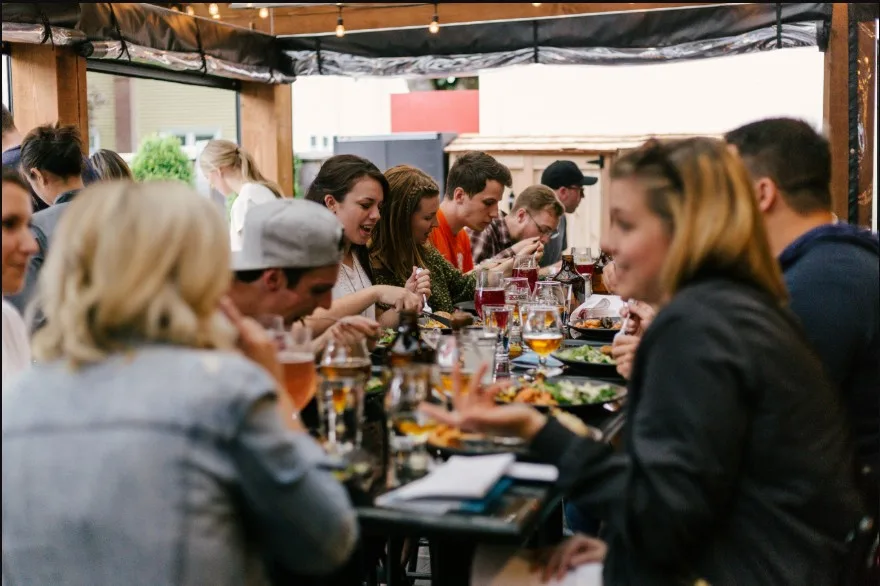
Instead of visiting several restaurants with similar menus, choose stops that offer something different. For example, you could begin with coffee and pastries, follow that with a casual lunch, stop for a shared appetizer, and finish with dessert. This structure allows everyone to sample different flavors without treating every stop as a full meal.
Leave Room for Spontaneous Stops
One key difference between a food tour and a food crawl is spontaneity. A food tour is a curated experience, and a guide almost always handles reservations, tastings, and logistics. In this case, the restaurants a group will visit are always planned ahead of time.
A food crawl, by contrast, is self-planned and flexible. Here, the diners choose restaurants, dishes, timings, pacing, and more. Some planning is still required for a food crawl, but it largely depends on where the outing takes you.
A good food crawl does not need to follow a strict schedule from start to finish. Leave space between planned stops so you can explore nearby streets, browse local stores, or stop at an interesting cafe you notice.
This flexibility is especially useful in Nashville, where neighborhoods can offer plenty to explore between meals. A short walk can turn a simple restaurant visit into part of a larger local experience.
Make Transportation Part of the Plan
A food crawl may involve several neighborhoods, so transportation deserves some thought. If the stops are close together, walking can make the experience more enjoyable. For longer distances, consider using rideshare services or arranging a designated driver.
When in Nashville, you also have access to an exceptional public transportation program called WeGo Public Transit. It is a government-affiliated primary public transportation system operating in Nashville and Davidson County, Tennessee.
WeGo Public Transit reported a major increase in Nashville public transportation use, providing 10.6 million rides during 2025-2026. It is the system’s highest ridership in 11 years and just below the 2015 record of 10.76 million rides.
“It’s awesome to see this jump in ridership. Nashville is proving that when we invest in transit, people use it,” said Mayor Freddie O’Connell.
Planning transportation ahead of time also lets everyone focus on the food and surroundings instead of worrying about parking at each stop.
Keep the Group’s Preferences in Mind
A food crawl works better when everyone has something they can enjoy. Before setting the itinerary, check for dietary restrictions, allergies, preferred cuisines, and foods people want to try.
Sharing dishes can also make it easier to accommodate different tastes. Several smaller portions across multiple stops give everyone opportunities to sample something new without committing to a large individual meal.
Consider the group’s appetite and dining preferences as well. Some people may prefer familiar dishes, while others may be more interested in trying regional specialties or unfamiliar cuisines. A balanced itinerary can include a mix of approachable options and more adventurous stops.
It is also helpful to discuss the pace of the outing before you begin. Some groups may enjoy spending an hour or more at each restaurant, while others may prefer quick stops. Agreeing on a comfortable pace can make the experience more enjoyable and prevent anyone from feeling rushed or left behind.
Frequently Asked Questions
What is the ideal number of stops for a Nashville food crawl?
Three to five stops are usually enough for a food crawl, especially if participants plan to sample something at each location. Fewer stops allow more time at each restaurant, while too many can make the experience tiring. The ideal number also depends on portion sizes, walking distances, and how long the group wants to spend exploring.
Should you choose appetizers or full meals for a food crawl?
Small plates, appetizers, shared dishes, and snacks generally work better than full meals at every stop. The goal is to experience several flavors without becoming too full early in the day. You can also alternate between lighter and heavier options, which gives participants more room to enjoy later stops.
What should you bring on a Nashville food crawl?
Comfortable clothing and shoes are useful, particularly if the itinerary includes walking between restaurants. A portable phone charger can also help with directions, photos, and group communication. Carrying a reusable water bottle is another practical choice, since staying hydrated can make a long day of eating more comfortable.
Nashville Food Crawl: Key Facts & Figures
| Food crawl stops recommended | 3 to 5 |
| Suggested food variety | Coffee, pastries, lunch, snacks, main course, dessert |
| WeGo FY 2025-26 ridership | 10.6 million rides |
| Popular Mexican dishes mentioned | Fajitas, tacos, burritos, enchiladas, nachos |
| Nashville areas mentioned as tourist hotspots | Lower Broadway, Downtown, Music Row, Midtown |
| Compact, walkable neighborhood highlighted | 12 South |
Planning a Nashville food crawl beyond the major tourist hotspots lets you combine dining with neighborhood exploration. Choosing a focused route, mixing cuisines, leaving room for spontaneous discoveries, and considering transportation can turn a collection of restaurant visits into a full day of local experiences.
The key is to avoid packing too many stops into one itinerary. A few well-chosen restaurants, combined with time to explore the neighborhoods between them, can create a more relaxed and memorable way to experience Nashville’s diverse food scene.