
Dreaming of diving with manta rays, whale sharks, and reef sharks all in one trip? A liveaboard makes it possible. This guide explains how liveaboard diving in the Maldives works, what it costs, when to go, and how to pick the right trip. Everything here comes from real diving experience in these waters.
What Is a Liveaboard in the Maldives?
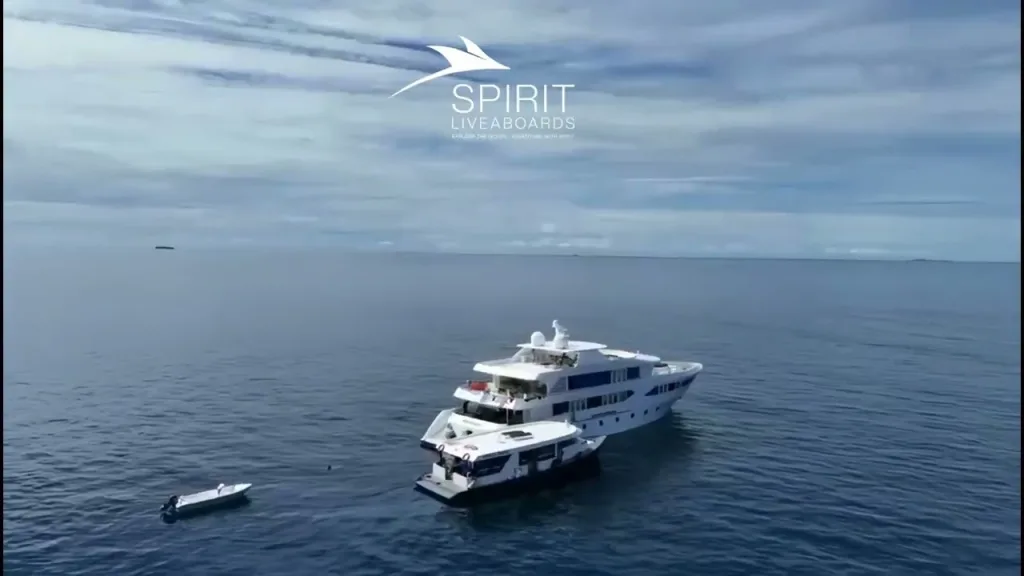
A liveaboard is a boat you live on while you dive. You sleep, eat, and dive from the same vessel for several days. Most trips run 7 to 10 nights.
The Maldives is made up of 26 atolls spread across the Indian Ocean. Many top dive sites sit far from land. A liveaboard reaches these remote spots that day boats and resorts cannot.
You dive three to four times a day. The boat moves to new sites while you rest. This means more dives, less travel, and access to wild, untouched reefs.
Why Choose a Liveaboard Over a Resort?
Resorts limit you to nearby house reefs. A liveaboard opens up the whole country.
Here is what makes the difference clear:
- You dive multiple atolls in one trip
- You reach channels and pinnacles only boats can access
- You enjoy night dives and early-morning dives
- You follow the marine life, not a fixed schedule
Resorts charge per dive and add daily boat fees. A liveaboard bundles dives, meals, and transfers into one rate. For serious divers, it offers better value and far better diving.
If you want the full experience, book your trip through a trusted operator like liveaboard diving Maldives specialists who know these atolls well.
Best Time for Liveaboard Diving in the Maldives
You can dive the Maldives year-round. Water stays warm at 80 to 86°F (27 to 30°C) all year. But the season shapes what you see.
Dry season (December to April): Calm seas and clear water. Visibility often passes 100 feet. This is peak time for first-time visitors.
Southwest monsoon (May to November): Plankton fills the channels. This draws large groups of manta rays and whale sharks. Hanifaru Bay in Baa Atoll becomes a feeding hotspot.
Pick your season based on the marine life you want most. Both halves of the year deliver world-class diving.
What Marine Life Will You See?
The Maldives is famous for big animals. Most divers come for the sharks and rays.
Common sightings include:
- Manta rays at cleaning stations
- Whale sharks, the ocean’s biggest fish
- Grey reef, whitetip, and blacktip sharks
- Hammerhead sharks in deeper channels
- Tiger sharks in the deep south
- Turtles, eagle rays, and huge schools of fish
Fuvahmulah in the far south is now a top tiger shark site. South Ari Atoll offers whale sharks all year.
Top Liveaboard Routes and Atolls
Each route suits a different kind of diver. Here are the main choices.
Central Atolls
This is the classic route. It is great for first-timers. You get manta cleaning stations, shark channels, and easy access from Malé.
Northern Atolls
Quieter reefs with fewer divers. Baa Atoll shines from May to October for mantas and whale sharks.
Deep South Atolls
The wildest route. Strong currents bring tigers, hammerheads, and thresher sharks. This area suits experienced divers only.
Far North Atolls
Remote and rarely dived. You may not see another boat all week. Perfect for true explorers.
What Skill Level Do You Need?
The Maldives suits intermediate and experienced divers best. Many sites have strong currents and drift dives.
Beginners can still dive here. Protected reefs near Malé offer calm conditions. But deep south routes often require Advanced Open Water plus 100 logged dives.
Good buoyancy control matters most. If you can hold your depth in current, you will love these dives.
How Much Does Liveaboard Diving in the Maldives Cost?
A 7-night liveaboard trip usually starts around 2,000 to 3,000 USD per person. This covers your cabin, all meals, and up to four dives a day.
Most rates include tanks, weights, dhoni transfers, and atoll permits. You pay extra for a few items.
Common added costs:
- Nitrox (free on some boats)
- Gear rental, around 40 USD per night
- Green Tax, about 12 USD per night
- Park fees like Hanifaru Bay
- Dive insurance and crew tips
When you add up resort dive fees, a liveaboard often costs less per dive.
What Is Included on a Liveaboard Trip?
Most Maldives liveaboards are all-inclusive for diving. Your rate typically covers your cabin, full board meals, guided dives, tanks, weights, and airport transfers.
You bring your own dive computer and personal gear. You also pay for nitrox, rental equipment, and government taxes separately.
Practical Tips for Your First Liveaboard
A few smart choices make your trip smoother. These tips come from real time on the water.
- Book early. The best boats fill up six months ahead.
- Choose nitrox. It gives you longer, safer dives across the day.
- Pack a reef hook. Channel dives often need one in current.
- Bring a surface marker buoy. Drift dives make this essential.
- Get dive insurance. It is required before you enter the water.
- Arrive a day early. This protects you from flight delays.
Small steps like these turn a good trip into a great one.
How to Choose the Right Liveaboard
Focus on the dive operation, not just the boat’s looks. A skilled guide finds the best sites for the season and conditions.
Check these points before you book:
- Crew-to-guest ratio for safety and service
- Group size, since smaller groups mean better dives
- A dedicated dhoni dive tender
- Honest reviews from past divers
- Routes matched to the marine life you want
A trusted operator shapes your trip around real conditions. That flexibility is what separates an average week from an unforgettable one.
Frequently Asked Questions
Is liveaboard diving in the Maldives safe?
Yes. Experienced guides run controlled dives and full safety briefings. Sharks here are not aggressive toward divers. Good buoyancy and current awareness keep you safe.
How many dives do you get on a liveaboard?
Most 7-night trips offer 18 to 25 dives. Ten-night trips can reach 27 or more. This includes night dives and channel dives.
Do I need to be a strong swimmer?
You need basic comfort in water and solid buoyancy control. Strong currents are common, so dive fitness helps. Beginners should start on calmer central atoll routes.
Can non-divers join a liveaboard?
Yes. Many boats welcome snorkelers and offer island visits. Non-divers can swim with mantas and whale sharks in shallow sites.
What should I pack for a Maldives liveaboard?
Bring your dive computer, mask, reef hook, and a surface marker buoy. Add reef-safe sunscreen, light clothing, and seasickness tablets.
Which atoll is best for first-time divers?
The Central Atolls suit beginners best. They offer varied sites, manta cleaning stations, and easy access from Malé.
Conclusion
Liveaboard diving in the Maldives is the best way to experience this underwater world. You reach remote atolls, dive with big animals, and wake up to a new site each day. Pick the right season, match the route to your skill level, and book early. Do that, and the Maldives will give you the dive trip of a lifetime.