
From ordering late-night takeout on your couch to checking your bank balance over airport Wi-Fi, your entire life runs through your screens.
That convenience feels effortless—until a sneaky phishing link, an unsecured coffee shop hotspot, or a recycled password hands cybercriminals a front-row seat to your personal data.
The solution to stay safe online isn’t locking your phone in a drawer or memorize cybersecurity manuals. It actually demands a handful of smart, everyday habits. Adopting them shields your accounts, finances, and privacy wherever life takes you.
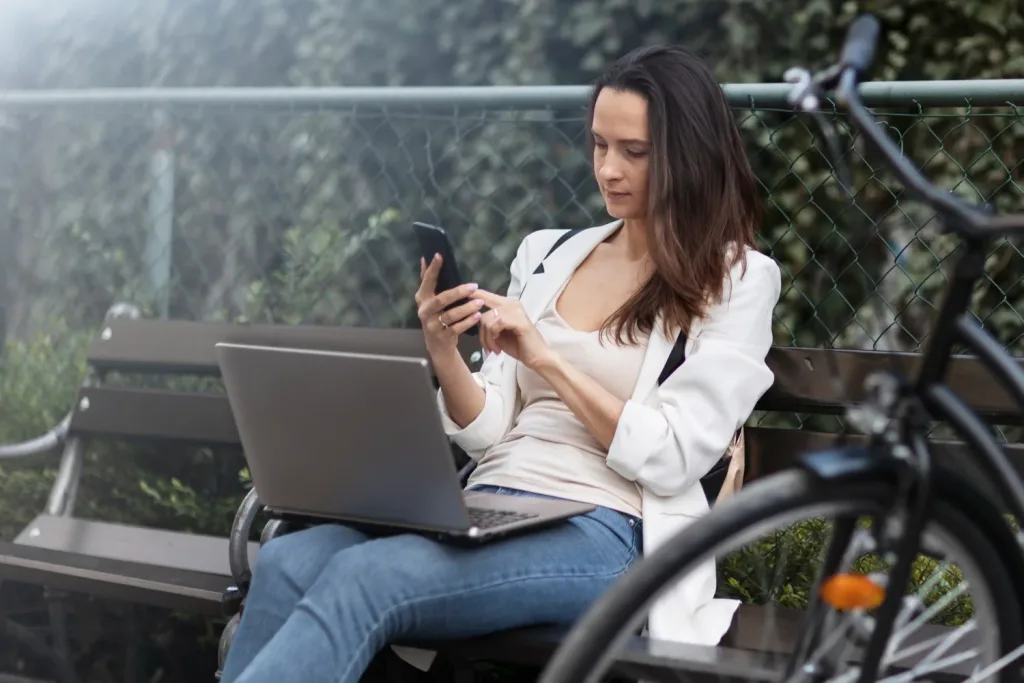
Ready to build an invisible digital forcefield around your devices? Here are six practical tips to keep yourself digitally safe, whether at home or while on the go.
1. Encrypt Your Connection Before Joining Public Wi-Fi
At hotels, train stations, and neighborhood cafes, the availability of free Wi-Fi is super convenient. Yet, open networks make it remarkably easier for snoops on the same connection to intercept unencrypted traffic.
Whenever you step outside your home network, route your internet activity through an encrypted tunnel. Just take a few minutes to learn about using a VPN on your iPhone or other mobile devices.
Doing so will ensure that your browsing, messages, and banking sessions stay encrypted and unreadable to outsiders on any hotspot.
2. Keep Operating Systems and Apps Updated Automatically
Remember, those “Software Update Available” notifications are effortless to dismiss when you’re busy. However, frequently patch critical security holes that hackers actively exploit.
Whether you’re a GEO company or a digital nomad, It’s more than essential to turn on automatic updates across your devices, including:
- phones,
- laptop,
- tablet, and
- home Wi-Fi router.
As a result, vital security fixes will install quietly while you sleep.
3. Lock Every Account With Unique Passwords and 2-Factor Authentication
If multiple accounts have the same password, it’s like using one key for your:
- front door,
- car, and
- office.
This means if a single website suffers a data breach, hackers immediately try that password everywhere else.
You should switch to a trusted password manager; it’s the best way to generate and store strong, unique passwords for every login.
Pair those passwords with 2-Factor authentication (2FA). Preferably use an authenticator app or hardware key so that even if your password leaks, an intruder can’t get in.
4. Pause Before Clicking Links in Texts and Emails
Let’s be honest: modern phishing messages rarely look like obvious scams anymore. They mimic delivery alerts, bank fraud warnings, and streaming renewal notices down to the exact logo.
While staying at home or moving abroad, when an urgent message asks you to verify a password or payment card, pause and navigate directly to the official app or website yourself. Avoid tapping the embedded link.
5. Tighten Device Locks and Find-My Tracking
A lost or stolen phone at a crowded transit hub puts everything at risk if the screen sits wide open. Keeping that in mind, enable biometric locks (Face ID or fingerprint) and back them with a strong six-digit passcode.
Another wise move is to set your screen to auto-lock within thirty seconds. Then turn on the remote-locate and remote-wipe features, just in case your device goes missing.
6. Audit App Permissions and Smart Home Settings
If you spend maximum time at home, change the default admin password for your Wi-Fi router and enable WPA3 encryption. On your mobile phone, periodically review which apps have access to your:
- location,
- microphone, and
- photos.
Let’s say a flashlight app asks for your contacts. In that scenario, tap deny without a second thought.
Bringing It All Together
Ensuring your digital safety doesn’t demand you live in fear of technology; it offers the freedom to enjoy every convenience of the connected world with total peace of mind.
Layering strong passwords, automatic updates, and encrypted connections into your daily routine can keep you protected from your living room sofa to departure gate B12.
If you take 10 minutes today to tighten your settings, your browsing experience will be more confident wherever you go.