
As Nashville continues to expand, drivers need to be prepared for increased traffic, ongoing construction, changing road patterns, and a higher number of vehicles sharing the road. The city’s rapid growth has brought new opportunities, but it has also created challenges for commuters, residents, and visitors.
Navigating Nashville today often looks very different than it did a decade ago. Identifying the dangerous roads to drive on is an important part of improving road safety. Factors such as congestion, road design, weather conditions, and driver behavior can all contribute to increased accident risks.
Nashville has become one of the fastest-growing cities in the United States. New neighborhoods, businesses, entertainment districts, and infrastructure projects continue to reshape the area. While this growth benefits the local economy, it also affects the daily driving experience.
For drivers, understanding these changes can help reduce stress and improve safety on the road.
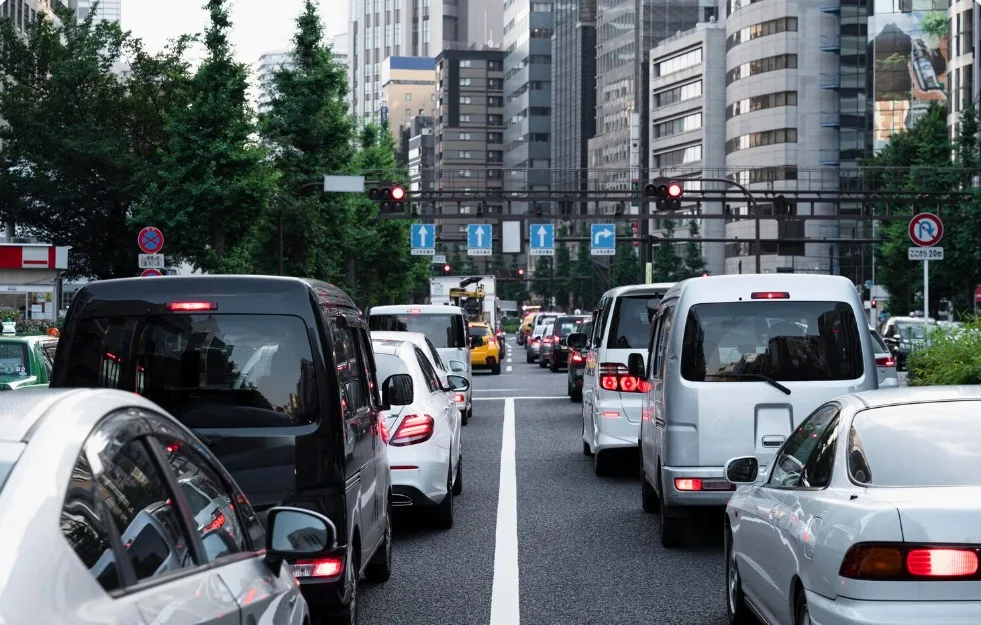
Increased Traffic Is Becoming the New Normal
One of the most noticeable effects of Nashville’s growth is heavier traffic. As more people move to the area, the number of vehicles on the road continues to rise.
Major highways and commuter routes often experience congestion during peak travel hours. Even roads that were once considered less crowded may now see significant delays.
Drivers should expect:
- Longer commute times
- Increased congestion near downtown
- More stop-and-go traffic
- Higher traffic volumes during events and weekends
Allowing extra travel time has become increasingly important for many Nashville drivers.
Construction Zones Are Everywhere
Growth often brings construction, and Nashville is no exception. Road improvements, new developments, and infrastructure upgrades can create temporary disruptions throughout the city.
Construction zones may involve lane closures, detours, reduced speed limits, and changing traffic patterns. Drivers who are unfamiliar with an area may find these adjustments particularly challenging.
Paying close attention to road signs and slowing down in work zones can help prevent accidents and keep both workers and drivers safe.
More Drivers Mean Greater Accident Risks
As vehicle traffic increases, so does the likelihood of collisions. More cars on the road create more opportunities for mistakes, distractions, and traffic conflicts.
Common contributing factors include distracted driving, speeding, aggressive lane changes, and failure to yield. Busy intersections and merging areas can become especially hazardous when traffic volumes are high.
Defensive driving is more important than ever. Staying alert and anticipating the actions of other motorists can help reduce accident risks.
Roadways Continue to Evolve
Nashville’s transportation network is constantly changing. New developments often lead to road expansions, redesigned intersections, and updated traffic control systems.
While these improvements are intended to support future growth, they can create temporary confusion for drivers who are used to older traffic patterns. A familiar route today may look very different a few months later.
Keeping up with local transportation updates can help drivers adapt more easily to these changes.
Pedestrian and Bicycle Traffic Is Increasing
As Nashville grows, more people are choosing alternative ways to travel. Walking, biking, and using shared transportation services have become more common in many parts of the city.
Drivers should be especially cautious in areas with high pedestrian activity, including downtown districts, entertainment areas, and residential neighborhoods. Paying attention to crosswalks and bike lanes helps improve safety for everyone using the roadway.
Sharing the road responsibly is becoming a larger part of everyday driving in a growing city.
Weather Can Make Congestion Worse
Traffic challenges are often magnified during severe weather. Heavy rain, storms, and occasional winter weather can slow traffic and increase accident risks.
When poor weather combines with already congested roads, travel conditions can deteriorate quickly. Drivers should adjust their speed, increase following distance, and remain patient when conditions become difficult.
Small adjustments in driving behavior can make a significant difference during adverse weather events.
Planning Ahead Matters More Than Ever
With continued growth showing no signs of slowing down, planning ahead has become one of the most effective ways to manage Nashville traffic.
Simple habits can help improve the driving experience:
- Check traffic conditions before leaving
- Allow extra travel time
- Use navigation tools for route updates
- Avoid distractions behind the wheel
- Stay informed about construction projects
These steps can reduce frustration and help drivers navigate the city more efficiently.
Key Takeaways
- Nashville’s rapid growth is leading to heavier traffic and longer commute times.
- Construction projects frequently affect road conditions and traffic patterns.
- Increased traffic volumes can contribute to a higher risk of accidents.
- Roadway layouts and transportation infrastructure continue to evolve.
- Pedestrian and bicycle traffic are becoming more common throughout the city.
- Weather conditions can worsen congestion and create additional hazards.
- Planning ahead and practicing defensive driving can help drivers adapt to Nashville’s continued expansion.