

A rental agreement (lease) is one of the most important contracts between a tenant and a landlord, establishing their mutual rights and obligations. It is very helpful to understand what is in your apartment lease when you are moving or if something unexpected happens in your life, so that each party can proceed with the least amount of trouble as possible.
Read tips from this post will help you transition from one lease to another without creating problems and will help you understand how breaking a lease before it ends will impact you.
Planning Your Move: How to Handle Lease Transitions Smoothly
Lease transitions can go either way, depending on how well each party prepares to meet at the end of the lease. The goal is to set you two up for a positive renting experience throughout.
Provide Ample Written Notice
- For tenants: The sooner you review your lease and give your landlord written notice that you plan to vacate the premises (even if you are more than 30 days prior), the better chance you have to establish a positive relationship with your landlord and allow sufficient time to make arrangements to prepare the property for a new tenant.
- For landlords: As soon as you receive the tenant’s written notice, respond immediately with a letter acknowledging receipt and provide a clear timeline for when they will be expected to schedule a move-out inspection and reconcile the security deposit. Opening lines of communication right away helps prevent future disputes.
Conduct a Joint Move-Out Walkthrough
Schedule a walk-through with you and your landlord (or property manager) before you vacate the property in full. The move-in checklist should be used as a guide.
This is an opportunity for both of you to view the unit in its current state and discuss any potential charges against your security deposit. It also allows you to address any cleaning or repair issues at the time of inspection to avoid future conflicts.
As a landlord, performing this task might be time-consuming, which is why partnering with property managers is a smart choice. Choosing the right Atlanta property managers can turn a stressful investment into a smooth, profitable experience.
Understand the Financial Expectations
Both tenants and landlords need to confirm that all final rent and utility bills have been paid in full. The landlord is required by state law to document each deduction from the security deposit for any damage to the property, which exceeds normal “wear & tear”.
Both parties having a clear understanding of who owes what at the end of the tenancy can help avoid disagreements or disputes over money at the end of a lease agreement.
Plan for a Deep Clean
A tenant’s final responsibility is to return the rental unit clean (appliances, floors, bathroom, etc.). For landlords, having a professional cleaning service ready when needed will help ensure the property is as clean as possible for the new renter, thus reducing downtime while vacant. You can even go a step further and incorporate new interior design ideas to make the place feel more unique and comfortable for new tenants.
Prepare the Property for the Next Chapter
During this transition, landlords will have an opportunity to complete all necessary maintenance on their rental property (such as painting, carpet cleaning, etc.). By maintaining the home properly, you can protect your investment and charge the highest possible market rent. For a tenant, the last positive action to fulfill their apartment lease obligation is by ensuring they leave the property in a clean and satisfactory condition.
What Happens If You Break an Apartment Lease Early: Tips to Minimize Stress and Costs
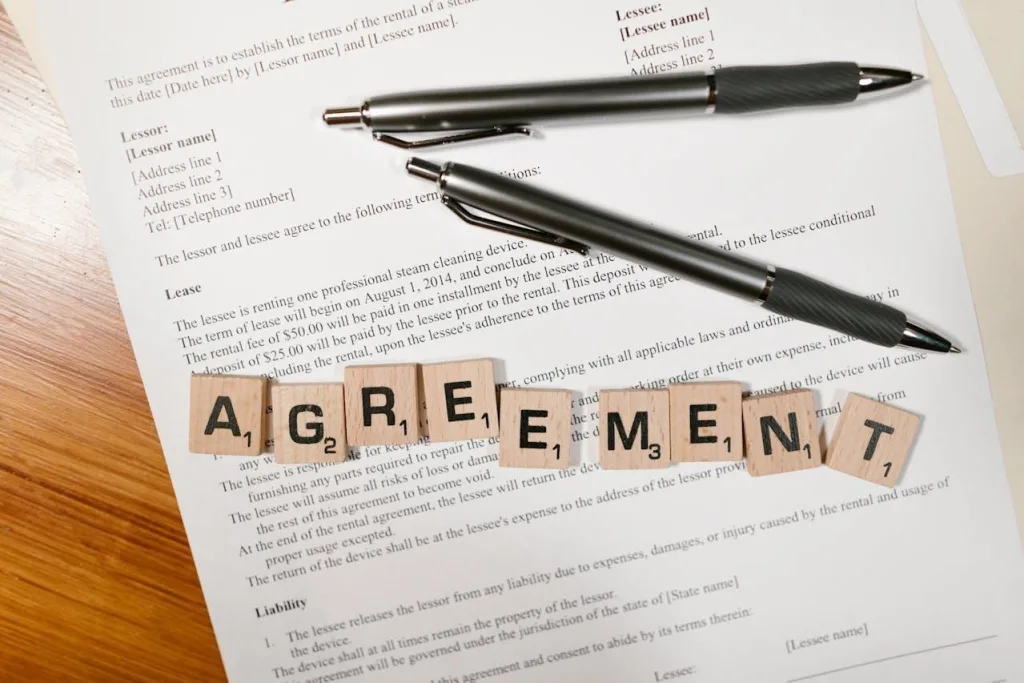
Many renters worry about what happens if you break an apartment lease early and the potential financial consequences. Fortunately, the laws of Atlanta set out both tenants’ and landlords’ rights and responsibilities regarding terminating a lease before its end date.
You Are Likely Financially Responsible
Breaking your lease usually means you will be financially responsible for rent until the rental property is re-rented. In Atlanta, landlords are expected to try to locate a new tenant reasonably.
However, you are liable for rent while the apartment remains vacant, as well as for marketing costs and any other costs associated with renting the apartment again. The first step in managing your situation is understanding your financial obligations.
Review Your Lease Agreement’s Clause
Your lease is your most important document; check the early termination section for any information on fees or procedures for terminating your lease before the end date. If there is a specified early termination fee, such as two months’ rent, then you have to adhere to the terms of that clause.
If the clause does not exist, then you are subject to your state laws regarding terminating your lease, which in most states require you to be financially liable for the landlord’s actual losses.
Open a Dialogue with Your Landlord Immediately
Once you realize you will need to relocate, write to your landlord immediately. It is always best to be truthful regarding your situation. Your honesty is reflected in your proposed solutions, such as assisting in finding an approved replacement tenant, which demonstrates your good faith.
Most landlords prefer to reach a mutually acceptable agreement rather than go through the time-consuming and expensive legal process, especially when you are open and cooperative from the beginning.
Offer to Help Find a New Tenant
You can also help reduce the cost of re-letting the unit by presenting your landlord with a qualified, interested applicant for the property. This can result in a lower rent being charged when you vacate the premises, since it reduces the time the landlord has to hold the unit vacant while trying to find a new tenant.
You can assist in finding a qualified tenant for the unit by advertising the unit on social media and/or local rental websites, and by coordinating viewing appointments with potential renters.
Get Everything in Writing
Regardless of the terms you agree to with your landlord, whether an actual move-out date, the exact dollar amount you will pay, or a general release from the lease, make sure these terms are memorialized in writing and formally signed by all parties.
By doing so, you create an enforceable agreement for each party, along with a written record of how the situation was resolved. Therefore, do not rely solely on verbal agreements because there is no other way to assure yourself of being released from liability than through a written release.
Maintaining Good Tenant-Landlord Relationships During Unexpected Moves
A surprise relocation may be inconvenient, but it does not have to mean the end of a successful working relationship between a tenant and a landlord. Both parties can continue to work together as long as they are willing to follow these easy steps:
- Communicate with each other: The tenant is responsible for communicating with their landlord about the problem, while the landlord is responsible for listening to the tenant’s explanation.
- Be open to negotiations: As long as the tenant and landlord have a good working relationship, there is usually some way to negotiate a resolution that works for both parties (i.e, a new lease for the tenant or a mutually agreed-upon rent increase or fee).
- Keep all agreements in writing: Once an agreement is made, document it in writing by signing a contract, which will protect both parties against any miscommunication down the road.
- Maintain flexibility and professionalism: If both parties remain flexible and professional throughout this process, it will likely keep potential conflicts at bay and preserve each party’s reputation.
Lease termination done in a respectful manner allows tenants and landlords to maintain a working relationship and provide references to one another in the future.
Conclusion
A successful, uneventful apartment lease experience depends on the quality of communication and mutual understanding between the landlord and the tenant.
The tenant can plan their move, be transparent regarding their decision to terminate the lease early, and build a professional relationship with the landlord; this will allow the tenant and landlord to reduce the potential financial loss and the emotional distress caused by a poorly managed lease termination process.
A well-managed lease termination process will help resolve the current issue and lay the groundwork for a positive relationship of trust and respect, making the difficult task of terminating a lease easier and less stressful for all parties involved.